
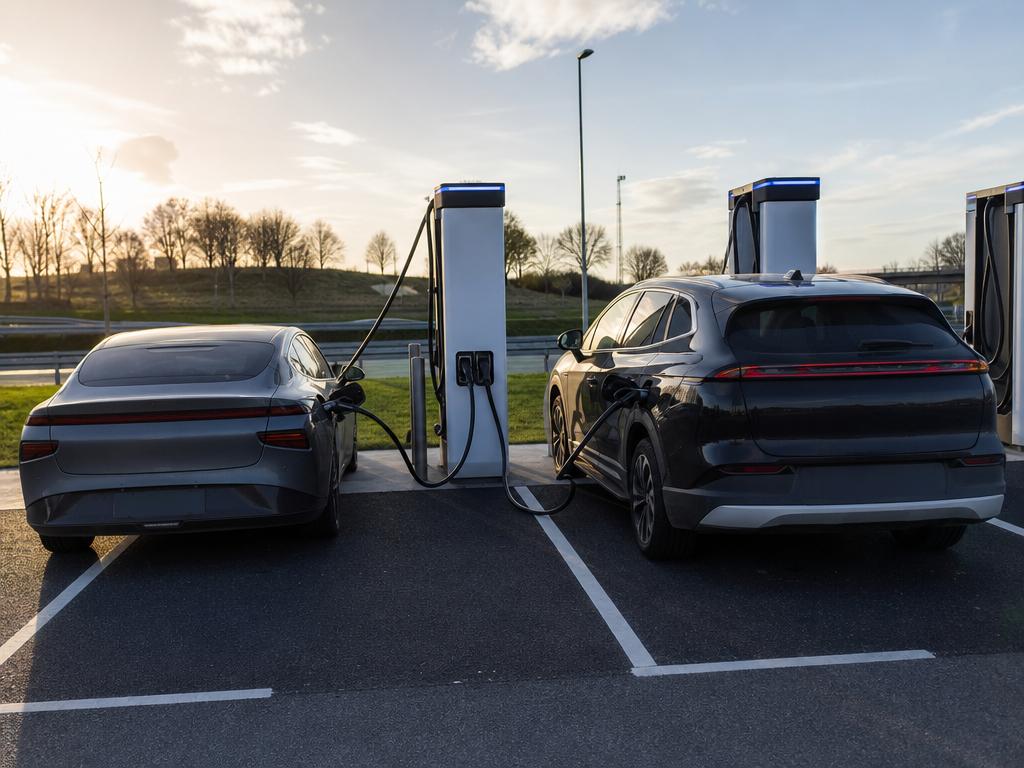
Buying a fast-charger-ready EV or specifying EV charging guns for a fleet gets messy once CCS, CHAdeMO and Type 2 are on the table. The three standards look interchangeable from a distance, but they are not. They run on different regions, different voltage tiers, and very different fleet assumptions. Picking the wrong one is a sourcing mistake you pay for every time a charger gets installed.
This guide walks through how the three standards compare in 2026, where each one is still actively deployed, and which one to specify based on the market you are actually selling into.
Quick Summary: CCS vs CHAdeMO vs Type 2 at a Glance
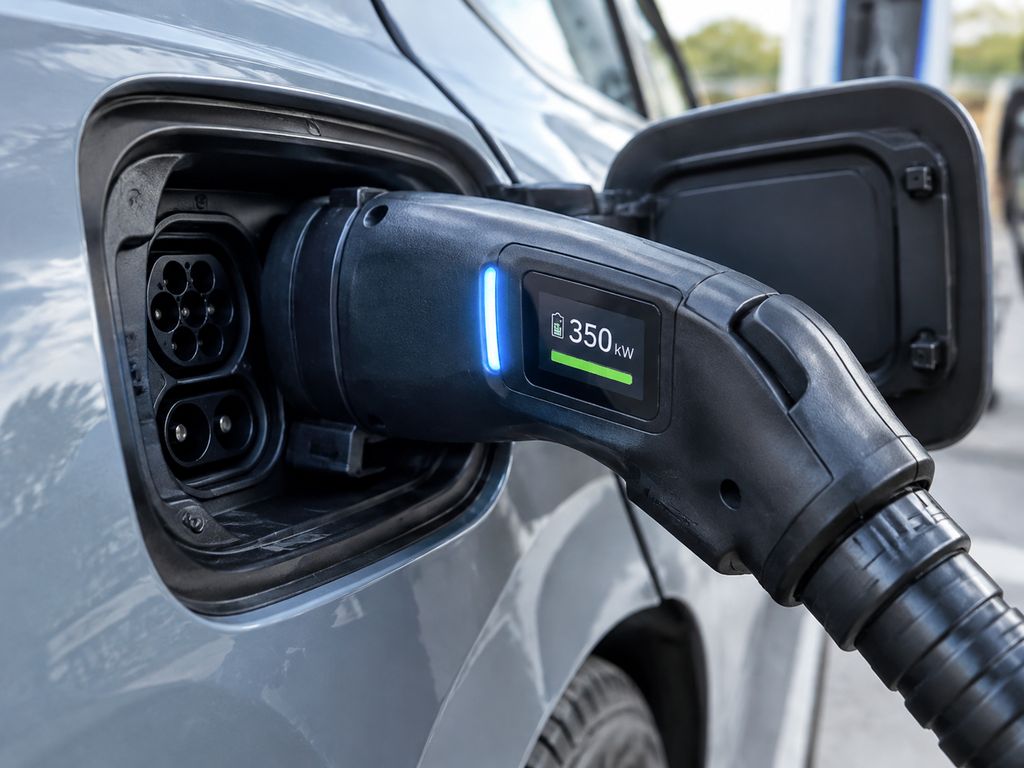
- CCS (Combined Charging System) — Two flavors: CCS1 in North America (AC J1772 + 2 DC pins) and CCS2 in Europe (AC Type 2 + 2 DC pins). DC fast charging up to 350 kW on the latest hardware. Default for most new EVs in the US, EU, AU and ME outside Tesla’s NACS orbit.
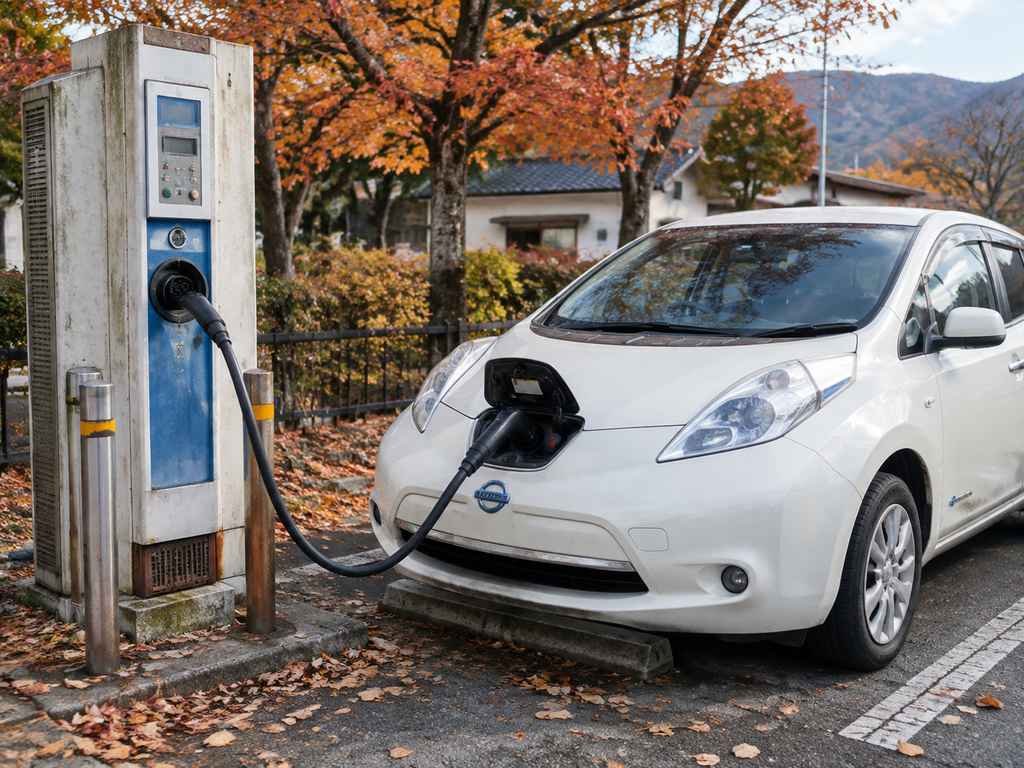
- CHAdeMO — Japan-originated DC fast-charging standard, up to 400 kW on CHAdeMO 2.0. Once dominant in Japan and used by Nissan Leaf, Mitsubishi Outlander PHEV and early Kia/Honda EVs. Rapidly shrinking outside Japan as automakers shift to NACS and CCS.
- Type 2 (IEC 62196-2) — European AC standard, also the AC half of CCS2. Up to 43 kW AC. Used for everyday AC charging in EU, AU and parts of ME — our EU Type 2 charging gun covers this standard. North America uses the visually similar J1772 (Type 1) for AC; Type 2 itself is rare in the US.
Why Three Standards Exist in the First Place
AC versus DC is the easy split. AC charging (Type 2, J1772, GB/T AC) tops out around 43 kW because the car’s onboard charger is the bottleneck. To go faster, you bypass the onboard charger and feed DC straight into the battery pack. That requires a different connector with bigger pins and a heavier cable, plus a charging controller that talks directly to the battery management system.
CCS, CHAdeMO and GB/T DC all solved the DC problem differently.
- CCS started as an engineering compromise: keep your existing AC connector and bolt two extra DC pins on top of it. One inlet on the car handles both AC and DC, the station chooses which mode to deliver.
- CHAdeMO started as a separate DC-only connector designed by TEPCO and Japanese automakers in 2010. The car needs two inlets if you also want AC. This is one of the reasons CHAdeMO has aged poorly: more weight, more complexity, no path to a single-inlet future.
- Type 2 is the European AC-only answer, defined under IEC 62196-2. It was designed knowing that AC charging alone is not enough, so the European standard reserved the same connector geometry to also host CCS2’s two extra DC pins. The result is the only regional standard where AC and DC share one inlet natively.
CCS: The Default DC Fast-Charging Standard in 2026
CCS is the most widely deployed DC fast-charging standard on the planet by station count, and the specification is maintained by CharIN. It is what Tesla uses in Europe, what most non-Tesla EVs use in North America, and the default for new EV programs in Australia and the Middle East. Two flavors matter:
- CCS1 (SAE J1772 combo / Type 1 AC + DC) — North America, Korea, Taiwan, Japan. The AC half is the 5-pin J1772 connector you already know; the DC half adds two large pins below the AC pins. Max power depends on the station: 50 kW on early hardware, up to 350 kW on 800V-battery cars like Hyundai E-GMP, Kia EV6 and Lucid Air.
- CCS2 (IEC 62196-2 Type 2 + DC) — Europe, Australia, Middle East, much of Southeast Asia. The AC half is Type 2; the DC half adds two pins in the same housing. Same power ceiling as CCS1.
For an EV charging gun manufacturer, specifying CCS means you sell two distinct inlet variants depending on the destination market. The cable, control pilot protocol and locking mechanism differ between CCS1 and CCS2 even though the names are confusingly similar.
CHAdeMO in 2026: Still Alive, but Shrinking Fast
CHAdeMO is the standard to watch closely because its market position has shifted twice in five years. It is maintained by the CHAdeMO Association, which published CHAdeMO 2.0 in 2018.
- Pre-2018: Default DC fast-charging for Nissan Leaf, Mitsubishi Outlander PHEV, Kia Soul EV and most Japanese-market EVs.
- 2018-2023: Nissan’s Ariya and most new Japanese-brand EVs in Europe switched to CCS2. The CHAdeMO charging network shrank in Europe. CHAdeMO 2.0 (up to 400 kW) was published in 2018 to keep the standard competitive.
- 2024-2026: In North America, Ford, GM, Rivian and most major EV makers switched to NACS (Tesla’s connector, now being standardized as SAE J3400). In Japan, Toyota, Subaru and Honda have signaled future models will use CHAdeMO for some segments and NACS/CCS for others. CHAdeMO adoption outside Japan is increasingly limited to the legacy Nissan Leaf fleet and a small number of CHAdeMO 2.0 stations.
If your fleet is dominated by older Japanese-market EVs, CHAdeMO still matters. If you are specifying hardware for a new program in 2026, the question is no longer “CCS vs CHAdeMO” but rather “CCS vs NACS” depending on which market you serve.
Type 2: The European AC Standard That Carries CCS2’s AC Half
Type 2 (defined under IEC 62196-2) is the most common AC inlet you see in Europe. Round seven-pin layout, designed for 230V single-phase and 400V three-phase AC. Used on most European-market EVs since the mid-2010s.
Type 2’s real role in 2026 is twofold:
- Everyday AC charging at home, workplace, hotels, public AC posts. Most cars top out at 11 kW or 22 kW onboard AC. A 22 kW Type 2 station will recharge a 60 kWh EV in about three hours.
- The AC half of CCS2 — the same connector geometry, when paired with two extra DC pins below, becomes a CCS2 DC fast inlet. This is why most European EVs only need one charging port even though they support both AC and DC.
For sourcing EV charging guns, Type 2 connectors are still in active demand for the EU AC charger market. Most European AC wallboxes and public AC stations ship with Type 2 outlets.
Side-by-Side Comparison Table
| Feature | CCS1 | CCS2 | CHAdeMO | Type 2 (AC only) |
|---|---|---|---|---|
| Standard | SAE J1772 combo | IEC 62196-2 combo | CHAdeMO / IEC 62196-3 | IEC 62196-2 |
| AC / DC | Both | Both | DC only (separate AC inlet on car) | AC only |
| Typical max power | Up to 350 kW DC | Up to 350 kW DC | Up to 400 kW DC (CHAdeMO 2.0) | Up to 43 kW AC |
| Main regions | North America, Korea, Taiwan, Japan | Europe, Australia, Middle East, SE Asia | Japan, legacy Asian fleets | Europe, Australia, Middle East |
| Vehicle examples | Hyundai Ioniq 5, Kia EV6, Ford Mustang Mach-E, Lucid Air | BMW iX, Mercedes EQS, Volvo EX90, BYD Atto 3 (export) | Nissan Leaf (older), Mitsubishi Outlander PHEV | Most European AC-only chargers |
| Connector geometry | J1772 AC + 2 DC pins | Type 2 AC + 2 DC pins | Standalone round DC | Standalone round AC |
| Future outlook (2026+) | Strong, growing | Strong, growing | Shrinking outside Japan | Stable (AC infrastructure) |
Standard Adoption by Market in 2026
Geography, not engineering, settles this question. This is the shorthand we use when a buyer asks which connector to stock.
| Market | New DC deployments | New AC deployments | Legacy fleet still on |
|---|---|---|---|
| European Union | CCS2 | Type 2 | CHAdeMO (shrinking) |
| United Kingdom | CCS2 | Type 2 | CHAdeMO (shrinking) |
| North America | NACS (SAE J3400) | J1772 / NACS | CCS1, CHAdeMO |
| Japan | CHAdeMO 2.0 | Type 1 (J1772) | CHAdeMO 1.0 |
| China | GB/T 20234.3 | GB/T 20234.2 | ChaoJi (emerging) |
| Australia / NZ | CCS2 | Type 2 | — |
Which One Do You Need? Three Questions to Ask Before Specifying
- Which market are you actually selling into? The answer to CCS versus CHAdeMO versus Type 2 is almost entirely a geography question. A fleet in Munich needs CCS2 + Type 2. A fleet in Tokyo may still want CHAdeMO 2.0. A fleet in California is increasingly NACS-first, with CCS1 retained for cross-compatibility.
- What is the existing AC infrastructure at your deployment sites? If the sites already have Type 2 AC wallboxes, you may not need to source DC fast-charging hardware at all. Sourcing the right AC connector matters more than DC speed for most workplace and residential deployments.
- What vehicles will be charged? Older Nissan Leaf and Mitsubishi Outlander PHEV fleets still demand CHAdeMO. Everything else from 2020 onward in Europe is CCS2, in North America is CCS1 or NACS. If you do not know the vehicles, CCS is the safest broad-market bet today.
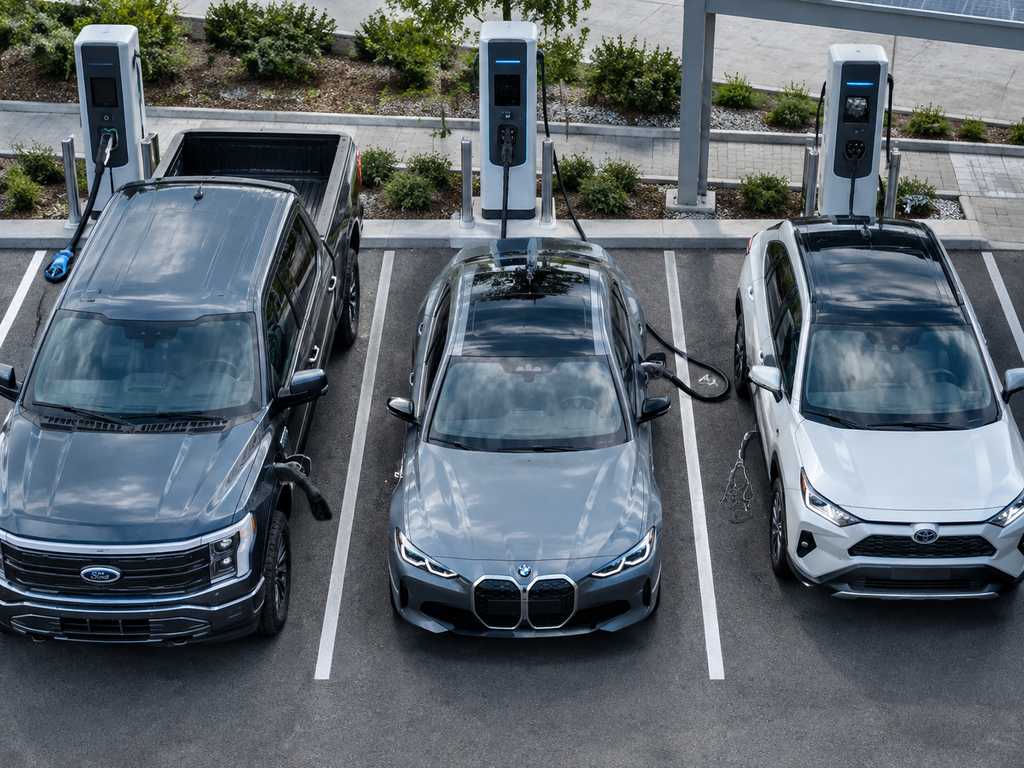
For an EV charging gun manufacturer or distributor, the practical sourcing picture is straightforward: CCS1, CCS2 and Type 2 are your three active product lines. CHAdeMO is a legacy and Japan-specialty product line worth keeping on the catalog but not driving new R&D investment. NACS is now a fourth line to evaluate depending on how the North American market develops.
How This Connects to Other Charging Standards
CCS, CHAdeMO and Type 2 are not the only standards in active use. For a fuller picture, see our guide on the other major DC and AC standards you will encounter in international sourcing:
- AC vs DC Charging Guns: What’s the Difference? — the AC/DC decision before you choose a connector family.
- GB/T vs Type 2 vs SAE J1772 — the parallel comparison for AC-side and GB/T DC standards.
- The GB/T Charging Standard Explained — China’s national standard, mandatory for the Chinese domestic market.
- The Complete Guide to EV Charging Guns — the pillar overview covering all connector types, cables and ratings.
For regional AC and DC charging station sourcing decisions, the three standards above cover the bulk of procurement scenarios. The NACS connector specification is published by SAE as J3400. Newer standards like ChaoJi (the China-Japan next-gen DC connector, also published as CHAdeMO 3.0) are entering deployment in 2026 and worth tracking but not yet widely specified.
Frequently Asked Questions
Yes, but mostly in Japan and on the legacy Nissan Leaf fleet. Outside Japan, CHAdeMO adoption has shrunk significantly since 2020. New Japanese-brand EV programs in Europe and North America have shifted to CCS or NACS. If you are specifying hardware for a new program, CHAdeMO is rarely the right choice outside Japan.
Yes. CCS2 is a superset of Type 2 — the same connector geometry carries Type 2 AC plus the two extra DC pins for fast charging. Most European EVs have a single CCS2 inlet that handles both AC charging at 11/22 kW and DC fast charging at up to 350 kW. The cable from an AC wallbox will only use the Type 2 half; a DC fast charger engages both halves.
The DC fast-charging protocol is identical. The difference is the AC half: CCS1 pairs DC fast charging with the SAE J1772 (Type 1) AC inlet used in North America, while CCS2 pairs DC fast charging with the IEC 62196-2 Type 2 AC inlet used in Europe. CCS1 and CCS2 cars are not cross-compatible without an adapter, and adapter availability is limited.
Tesla’s original connector (now called NACS in the US / TPC in Europe) was proprietary. In North America, NACS is being standardized as SAE J3400 and is now adopted by Ford, GM, Rivian, Hyundai and most major EV makers as the new default. In Europe, Tesla adopted CCS2 from the start, so Tesla cars in Europe use CCS2 like everyone else.
Most established EV charging gun makers offer CCS1, CCS2, Type 2 and CHAdeMO as separate product lines with shared control electronics and different connector heads. A typical product catalog covers all three standards with shared UL/CE/T or TUV certification work. Specific cable ratings, locking mechanisms and control pilot pinouts differ per standard.
Yes. Type 2 is the AC standard across most of Europe, Australia, New Zealand, parts of the Middle East, India (as part of the Bharat EV protocol family) and several Southeast Asian markets. North America uses the visually similar J1772 (Type 1) for AC, not Type 2.