
TL;DR: A portable EV charger (typically 2.3-7 kW, plugs into a standard outlet) is the right choice if you travel, rent, or need a flexible backup. A wallbox (typically 7-22 kW, hardwired) is the right choice if you charge daily at home or a fixed workplace location and want faster, safer, smarter charging. Below, we break down the practical differences – including speed, cost, installation, and connector compatibility – so you can pick with confidence.
What Is a Portable EV Charger?
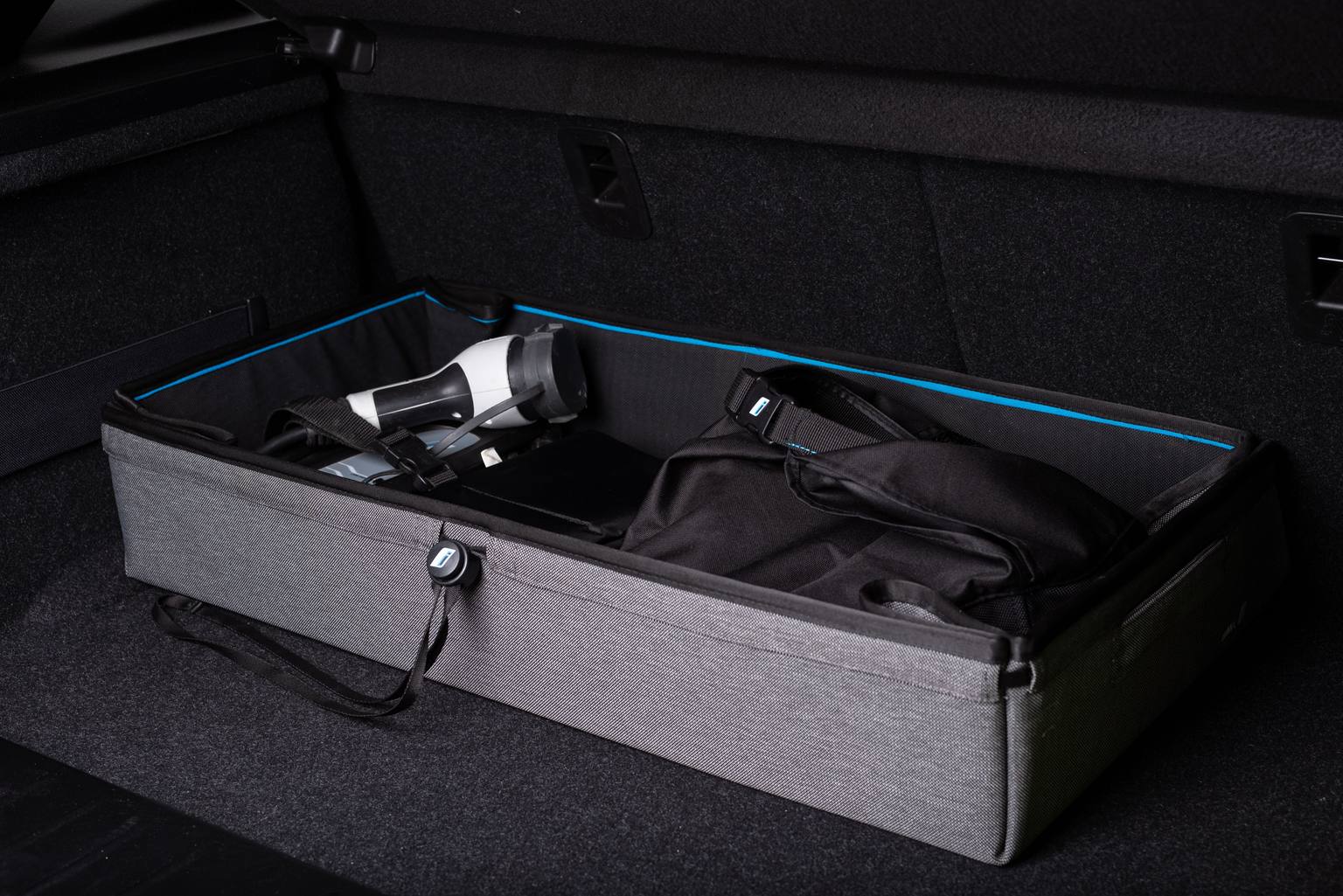
A portable EV charger – also called a Mode 2 EVSE in IEC 61851 terminology – is a compact charging unit with a control box on the cable. It plugs into a standard household or industrial outlet (Schuko, CEE, NEMA 5-15, NEMA 14-50, or GB/T 2099.1) and delivers AC power to the vehicle through a Type 1 (SAE J1772), Type 2 (IEC 62196-2), or GB/T 20234.2 connector.
Typical specs of a portable charger:
- Power: 2.3 kW (10A) – 7 kW (32A single-phase)
- Voltage: 110V (North America) or 220-240V (Europe/China)
- Cable length: 5-8 meters standard
- IP rating: IP54 – IP67 (depending on model)
- Control box features: leakage protection (RCD Type A / Type B), over-current, over-voltage, over-temperature, LED status indicator, optional LCD display showing real-time voltage/current/power
Best for: road trips, rental cars, apartment dwellers who cannot modify the wiring, emergency backup, occasional top-ups, and OEM fleet demonstration kits.
What Is a Wallbox?
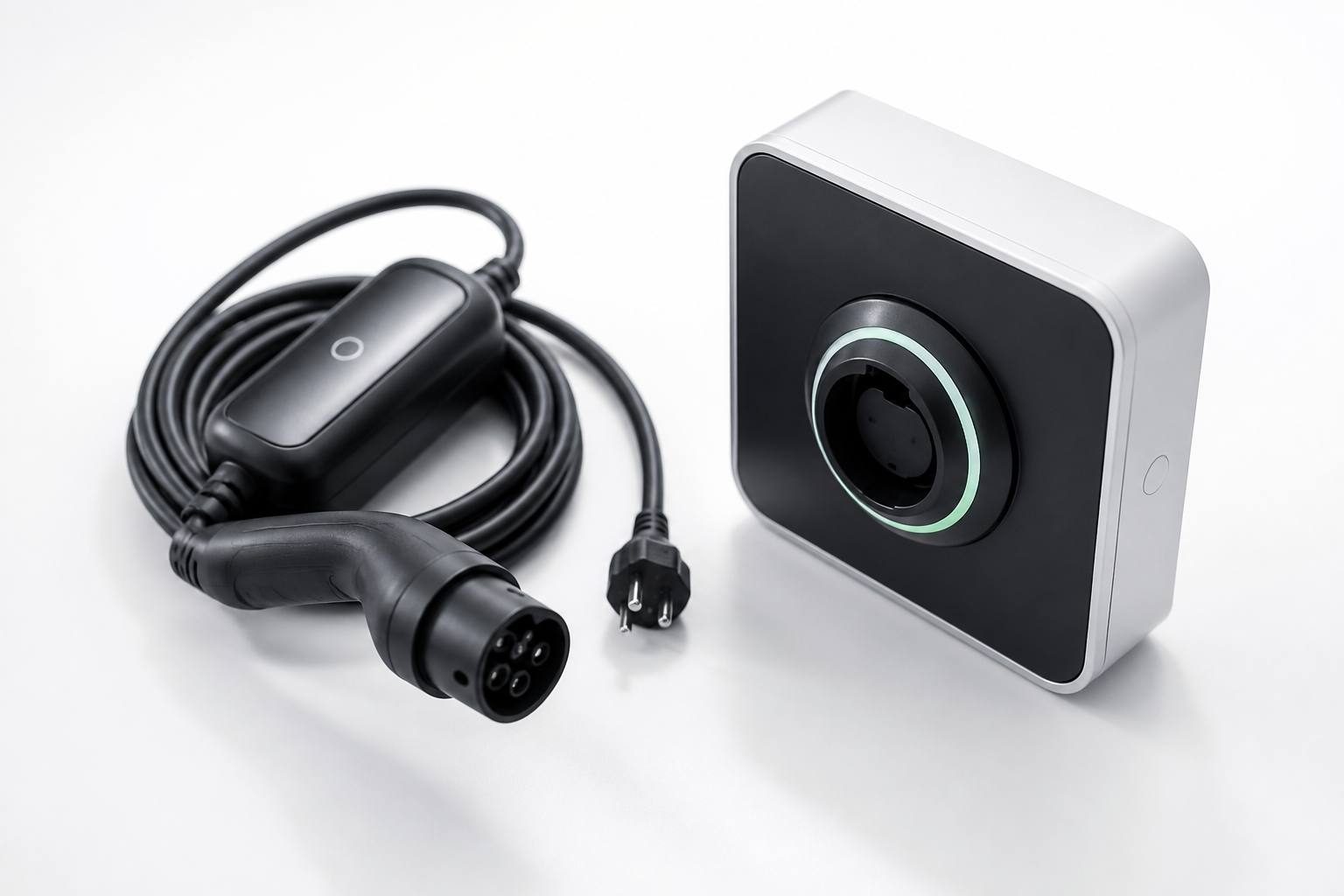
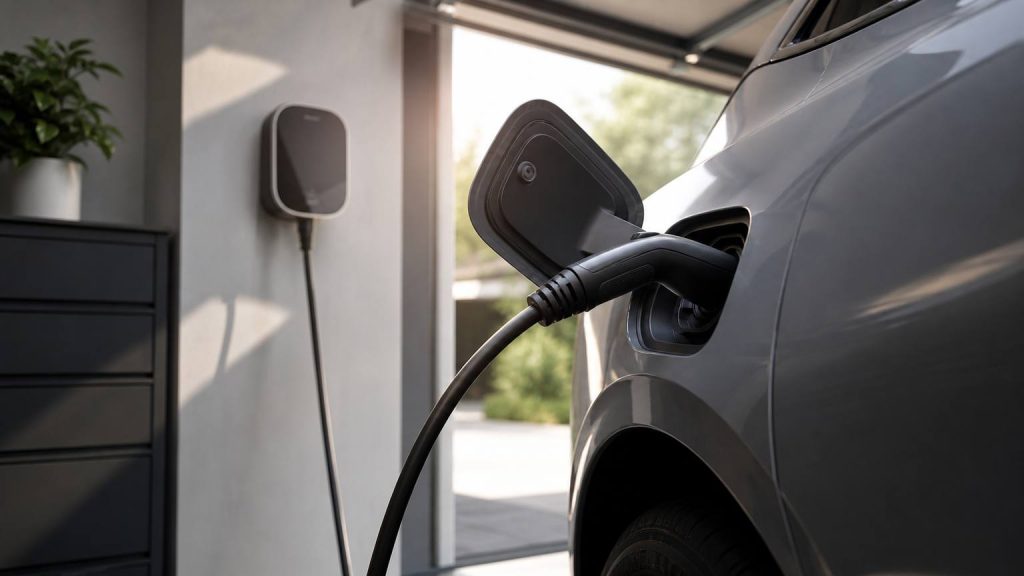
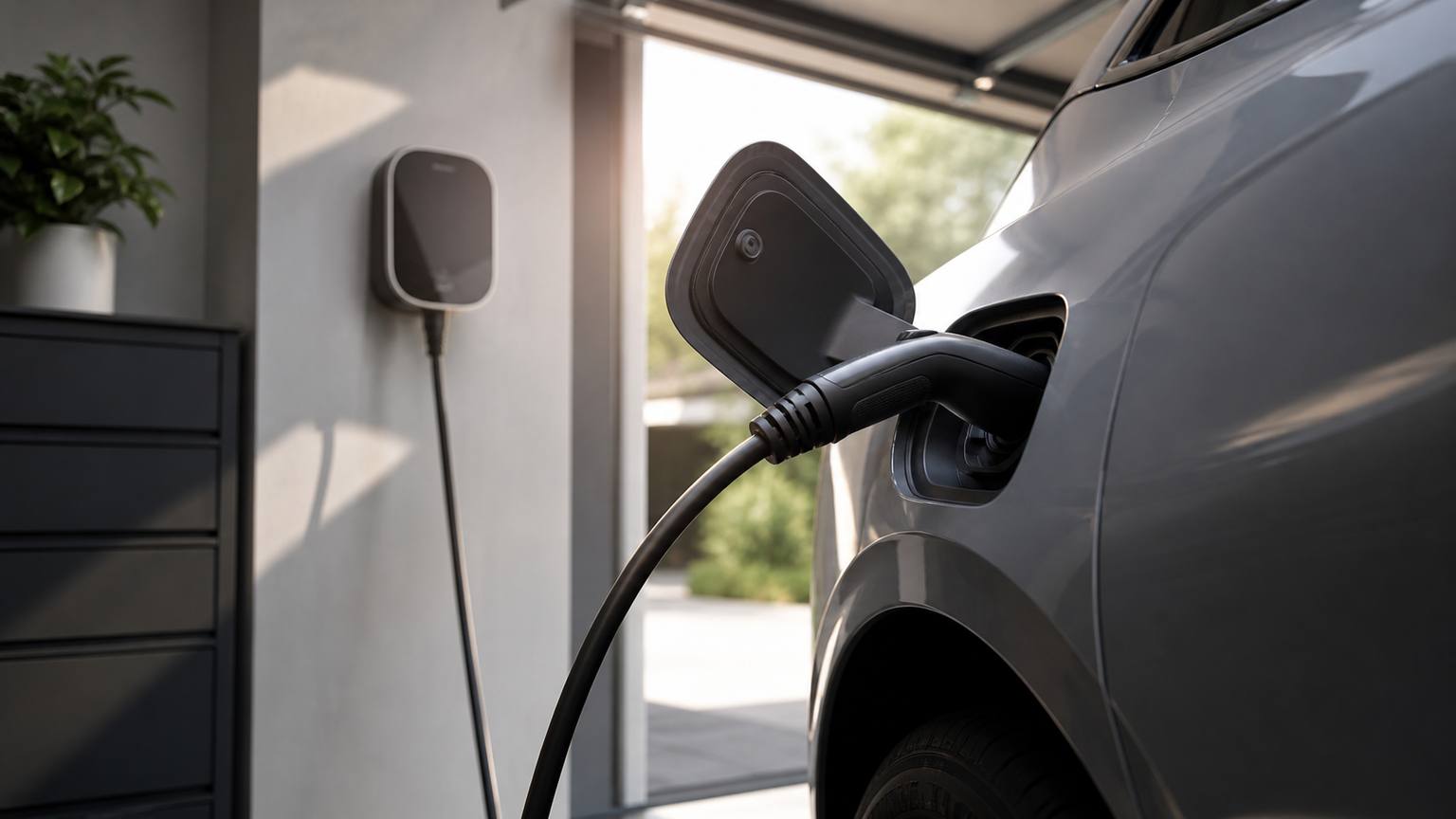
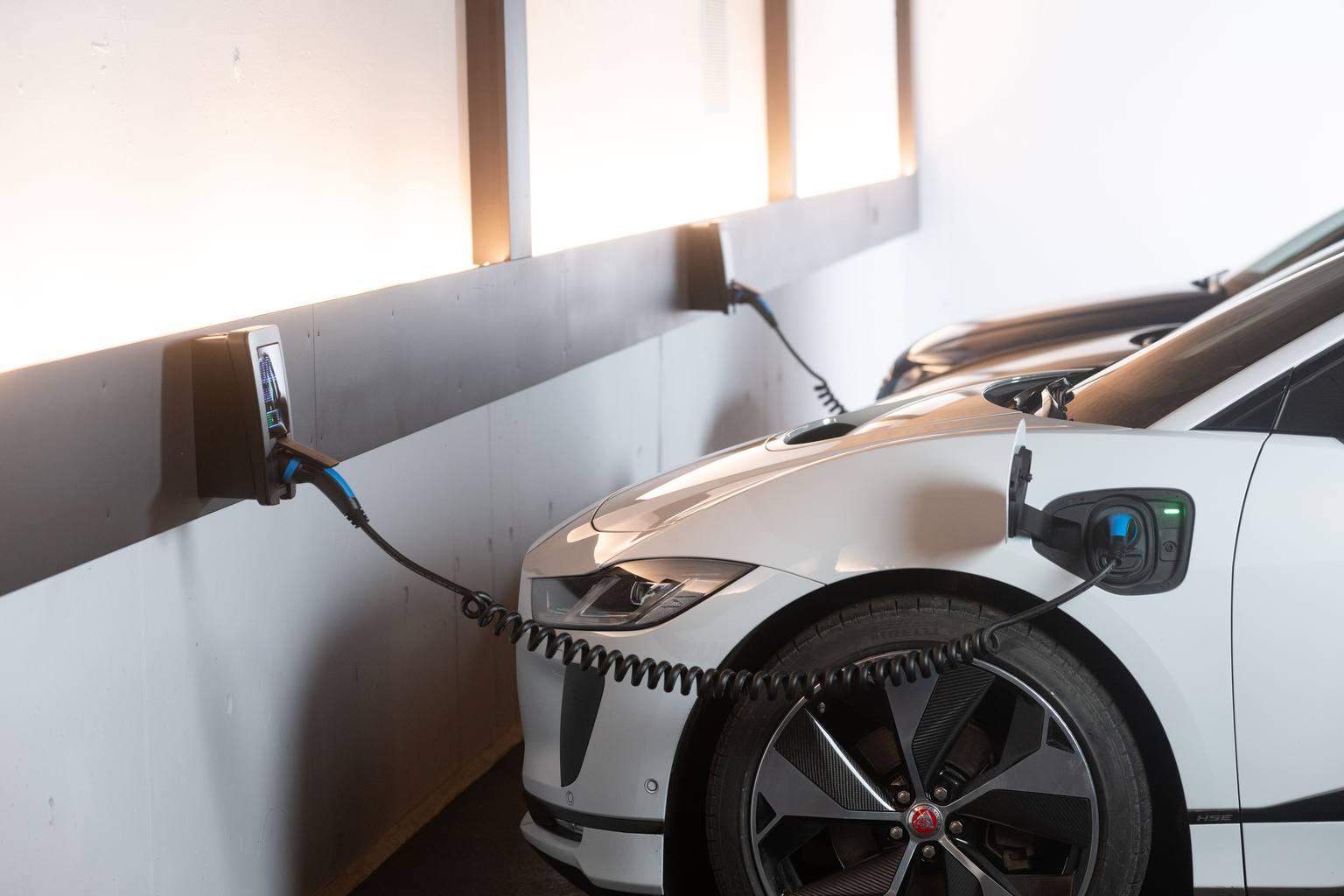
A wallbox (also called an EV charging station or wall-mounted EVSE) is a permanently installed unit, hardwired to a dedicated circuit. It is the residential and small-commercial standard for daily EV charging, and the form factor most public “AC destination chargers” use.
Typical specs of a wallbox:
- Power: 7 kW (single-phase 32A) up to 22 kW (three-phase 32A); DC fast wallboxes reach 30 kW but are rare
- Voltage: 220-240V single-phase, 380-415V three-phase
- Connectivity: Wi-Fi, Ethernet, Bluetooth, optional 4G; OCPP 1.6 / 2.0.1 for backend integration
- Smart features: scheduled charging, dynamic load balancing, solar integration, RFID access, app control
- IP rating: IP54 – IP65 for outdoor installation
- Compliance: built to common regional AC charging standards (e.g. IEC-based in EU/Asia, UL-based in North America, GB/T-based in China)
Best for: homeowners with a dedicated parking spot, workplaces, B and B / hotel guest parking, fleet depots, and any use case where the vehicle sits for 4+ hours.
Side-by-Side Comparison
| Specification | Portable EV Charger | Wallbox |
|---|---|---|
| Power output | 2.3 – 7 kW | 7 – 22 kW (AC); up to 30 kW (DC) |
| Charging speed (60 kWh battery) | ~9 – 28 hours (full) | ~3 – 9 hours (full) |
| Installation | None – plug into existing outlet | Hardwired by certified electrician; may need permit |
| Upfront cost (unit only) | $150 – $400 (consumer) / $80 – $200 (OEM bulk) | $500 – $1,500 (consumer) / $250 – $700 (OEM bulk) |
| Installation cost | $0 | $200 – $1,500 depending on electrical panel and distance |
| Portability | Carry in the trunk, use at any compatible outlet | Fixed – stays where installed |
| Smart features | Basic LED / LCD; Wi-Fi only on premium models | Wi-Fi / Ethernet / 4G, app control, OCPP, scheduled charging, RFID |
| Connector type | Type 1 (J1772), Type 2, GB/T 20234.2 | Same, plus tethered or untethered options |
| IP / weather rating | IP54 – IP67 (control box) | IP54 – IP65 (whole unit) |
| Safety | RCD Type A inside control box; relies on outlet grounding | Dedicated RCD, PEN fault detection (PME), ground monitor |
| Best for | Travel, rental, backup, no-install situations | Daily home/work charging, fleet, smart energy integration |
How to Choose: A 30-Second Decision Matrix
- Choose a portable charger if: you rent, travel often, do not own a parking spot, or want one charger that works at home + holiday + the in-laws.
- Choose a wallbox if: you charge the same car at the same spot 4+ times a week, want faster charging, or want smart features (scheduling, solar, app).
- Choose both if: you have a daily-commute wallbox at home and want a portable as a road-trip / emergency backup.
What to Check When Buying (OEM Buyers Checklist)
These are the five specs that separate a well-built charger from a risky one, whether you are buying for personal use or for a fleet:
- Connector + target market match. GB/T 20234.2 for China, Type 2 (IEC 62196-2) for Europe + most of Asia-Pacific, Type 1 (SAE J1772) + NACS for North America. Specifying the wrong connector for your market is the #1 reason for customs rejection.
- Look for evidence of safety testing. A genuine safety mark (such as a regional mark, test report, or declaration of conformity) should be present on the unit or in the documentation. A printed logo with no supporting paperwork is a red flag. Check the issuing body and validity of the test report.
- Protections in the control box (portable) or the unit (wallbox). At minimum: RCD Type A (30 mA AC), over-current, over-voltage, under-voltage, over-temperature, CP (control pilot) signal fault, and a self-test on every plug-in.
- IP rating matched to the real use environment. IP54 is fine for indoor garages; outdoor permanent installation needs IP65 or higher, plus UV-resistant enclosure.
- Cable copper purity and cross-section. 3 x 2.5 mm handles up to 16A; 3 x 6 mm is required for 32A. Anything thinner is a fire risk and will fail common safety tests.
Which One for Which Scenario
The decision is usually obvious once the parking situation is on the table. This is the table we run through with buyers before quoting.
| Scenario | Best choice | Why |
|---|---|---|
| Renting, no dedicated parking | Portable | No installation rights; works on any compatible outlet |
| Own driveway, under 50 km per day | Wallbox 7 kW | Refills overnight; adds scheduling and load balancing |
| Over 100 km per day | Wallbox 11-22 kW | 7 kW cannot reliably refill the daily mileage in one night |
| Frequent long-distance travel | Both | Wallbox for home, portable as a road-trip backup |
| Fleet depot, 10+ vehicles | Multiple wallboxes | Managed charging prevents site load spikes |
| Apartment block, shared parking | Wallbox with RFID | Per-user billing and access control |
OEM Supply from a Chinese Manufacturer: What Changes?
If you are sourcing chargers for resale, fleet, or branded distribution, the decision between portable and wallbox is also a decision about minimum order quantity, customization surface, and lead time:
- Lower MOQ for portable chargers. Portable units are generally produced in smaller minimum order quantities than wallboxes, making them the more common choice when testing a new market.
- Wallboxes carry higher per-unit margin and stronger customer lock-in (once installed, the customer is unlikely to swap brands), but require more pre-sales technical support and after-sales network.
- Customization surface. Portable chargers usually accept quicker customization: brand color, connector type, cable length, plug type, retail packaging, and private-label user manuals. Wallboxes typically need deeper integration (firmware, app, OCPP backend) and therefore longer lead time.
- Lead time. Portable units typically ship faster than wallboxes, and wallboxes with software (OCPP, app, RFID) take longer due to firmware and integration work.
For a full comparison of AC vs. DC charging guns, see AC vs DC Charging Guns. For connector-by-connector regional standards, see the EV Charging Standards Guide. For help sizing cable length, see How to Choose the Right EV Charging Cable. For background on the protocol layer that wallboxes use to talk to back-office systems, see the Open Charge Alliance.
Frequently Asked Questions
Should I buy a portable EV charger or a wallbox?
If you charge at the same spot daily and want speed, choose a wallbox. If you need flexibility – travel, rental, no fixed parking, or backup – choose a portable. Many EV owners end up with both.
Is a portable EV charger slower than a wallbox?
Usually yes. Most portable chargers deliver 2.3-7 kW; a properly installed single-phase wallbox delivers up to 7.4 kW (US) or 7 kW (EU), and a three-phase wallbox reaches 11-22 kW. The actual time difference depends on your vehicles onboard charger acceptance rate, not just the charger output.
Can I use a portable charger as my main charger?
Yes, especially if your daily commute is under 50 km. A portable charger is fully capable of being the primary charger, provided the outlet you plug into is properly grounded and the circuit is not shared with high-load appliances. For higher daily mileage, a wallbox is more convenient.
What connector do I need for my country?
China = GB/T 20234.2 (AC) / GB/T 20234.3 (DC). Europe + most of Asia-Pacific = Type 2 (IEC 62196-2). North America (most) = Type 1 (SAE J1772) for AC and CCS1 for DC; NACS (Tesla) is now adopted by Ford, GM, Rivian, and others. Japan = Type 1 + CHAdeMO for DC.
Do I need different chargers for different countries?
The connector type differs by region – Type 1, Type 2, GB/T, and NACS are not interchangeable. A charger bought in one region usually will not physically fit a car sold in another. When shopping, identify your target country first and pick a matching connector.
Is one of these safer than the other?
Both are safe when properly installed and used. The main safety difference is installation: a portable charger relies on the outlet it plugs into, while a wallbox is hardwired to a dedicated circuit. Either way, look for a unit that includes RCD/ground-fault protection, over-current, and over-temperature safeguards.
Can chargers be customized for my market?
Most manufacturers offer common customization options: connector type (Type 1, Type 2, GB/T, NACS), plug type for the wall socket, cable length, housing color, retail packaging, and branded user manuals. For deeper changes – firmware, app, or OCPP backend – lead time is longer. If you are sourcing for a specific market, list the connector, plug type, and target country when you request a quote.